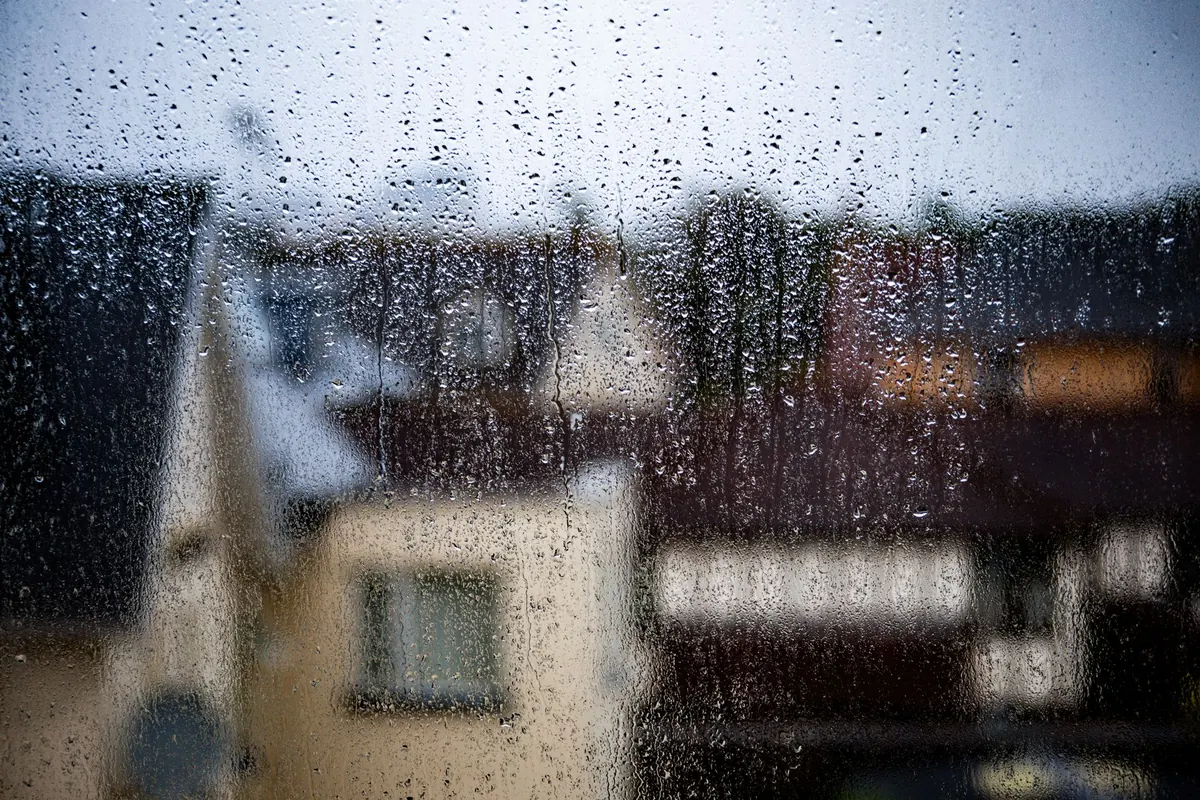
By late September the light leaves the garden earlier than you expect. You look up from the sink and the window has gone blue, the hedge is a dark shape, and the last tomatoes on the vine have lost their colour. Something in you slows down to meet it.
Autumn is the season that makes room. The growth is finished, the harvest is in, and the evenings are finally long enough to sit inside. It is a good time to keep a journal, but not the kind that tracks goals or counts pages. What autumn asks for is quieter: a page at the end of the day, written honestly, with no audience and nothing to prove.
What follows are prompts for that kind of practice — on letting go, on the changing light, on the rhythm the season sets — along with practical notes on making the habit hold when the evenings are dark and the sofa is warm.
Why Autumn Suits an Evening Page
Summer journaling tends to be brisk. You write in the morning, you make plans, you list what you want to finish before the weather turns. Autumn works differently. The day's residue is still with you at nine o'clock: a conversation that went sideways, the smell of wet leaves on the walk home, the small satisfaction of finishing something nobody noticed.
That residue is the material. An evening page doesn't need to resolve anything. It needs to record what actually happened, including the parts you would rather edit out. Ten or fifteen minutes is enough. What matters more than length is honesty — writing the true sentence rather than the presentable one.
There is also a practical advantage to evenings in autumn. The dark arrives before you are ready to sleep, and it gives you a legitimate reason to sit still. Use it. A journal opened at the kitchen table while the kettle cools is a better ritual than one opened at midnight on a screen.
Build the Container Before You Write
Prompts fail when the setting is wrong. Before you try any of the questions below, set up a few conditions that make writing the path of least resistance.
- Fix the time, roughly. Choose a window — after dinner, before the dishes — and aim for the same one most nights. Ten minutes is a real practice. Twenty is generous.
- Put light behind your shoulder, not in front of your face. One lamp, aimed at the page, keeps you awake without making the room bright enough to feel like morning.
- Leave the phone in another room. Not face down on the table. In another room.
- Start with the weather. Date, temperature, what the sky did. It is a warm-up, and it anchors the entry to a specific day rather than a vague mood.
- Stop mid-sentence if you can. Leaving a half-finished thought gives you a thread to pick up tomorrow, and it removes the pressure of a tidy ending.
Use a cheap notebook for this. Expensive paper invites performance.
Prompts on Letting Go
Autumn is the season of subtraction, and the language of falling leaves comes easily — a little too easily. Keep the prompts concrete. Name a thing, not a category.
- What am I still carrying that has already ended? Be specific: a project, a habit, a version of a friendship. Write what it costs you to keep holding it.
- What did I keep this year that I no longer use? Start with objects in the room around you, then move to commitments and expectations. The two lists usually rhyme.
- Which obligation could I put down this week, even temporarily? Not forever. A week. Describe what you would do with the hour it frees.
- What am I reluctant to release, and what would releasing look like in practical terms? One email. One honest conversation. One box to the charity shop. Write the smallest possible first step.
- What did I finish this season, and what is left over? Endings leave residue. Naming it keeps it from turning into quiet resentment.
Letting go is not only loss. Some of it is relief, and relief deserves a paragraph of its own. If a prompt makes you feel lighter rather than sadder, follow that feeling for a few more lines before you move on.
Prompts on Changing Light
The light is the most obvious thing about autumn and the easiest to stop noticing. These prompts train attention outward first, then inward.
- Where was the light in the room when I started writing? Where is it now? Watch it move while you write. Describe the colour, not just the direction.
- What becomes visible in low light that I miss at noon? Textures, silhouettes, the shape of a chair against a wall.
- Describe the last time this week that light stopped me. A reflection in a window, a stripe across a floor. Write it in three sentences or fewer.
- Which part of my life is in shadow at the moment? Something you have been avoiding looking at directly. You don't have to solve it tonight; just say where it is.
- What has become clearer as the days shortened? Sometimes less daylight makes a priority obvious.
If the prompts feel abstract, go outside first. Five minutes on a doorstep in the dark, without a coat on properly, will give you more to write about than an hour of thinking about the season.
Prompts on Seasonal Rhythm
Autumn is a working season, not only a wistful one. Something is being gathered, stored, put away. Use that as a frame for the practical side of your life.
- What did I actually grow this year? Skills, patience, a garden bed, a relationship that deepened. Be literal before you are metaphorical.
- What am I storing up for the winter? Rest, savings, a stack of unread books, the phone numbers of people I want to see in January.
- Where does my week fight the season? Late-night productivity, back-to-back evenings out, a schedule built for long summer days.
- What would a slower November look like in practice? Name three things you would stop doing, and one you would start.
- What does my body want at this time of year? Earlier nights, warmer food, less noise. Note it without judgement.
Rhythm is not a rule. You are looking for the shape of your own week, not a template to impose on it. If a prompt produces a plan, test it for seven days and write down what happened.
When the Page Stays Blank
Some evenings there is nothing there. That is not failure; it usually means the entry is too ambitious. Lower the bar. Describe the room in five sentences. Copy the weather. Write one true line and close the book. A short entry still counts, and the streak matters more than the word count.
Two other fixes that work: change the question, or change the pen. Swap a heavy prompt for something sensory, or move from the desk to the floor by the radiator. Small physical changes loosen the writing more reliably than willpower does.
Closing the Evening
Give the practice an ending so it doesn't follow you to bed. Read back the last few lines, then write a single sentence that names the day — a slow one, better than it started, unfinished in a way I don't mind. Close the notebook. Leave the pen lying across it so tomorrow's page is already open.
Then turn off the lamp, take a moment at the window, and let the dark do what it does at this time of year. The prompts will still be there tomorrow. So will you.
Photo: ROMAN ODINTSOV / Pexels