Two people can spend the same two weeks outdoors and come home with entirely different trips. One covers six regions, sleeps in five beds, and photographs a lot of weather through a car window. The other stays in one valley, learns which path dries first after rain, and notices the same heron standing in the shallows every morning. Neither is wrong. But if you love nature in the way that makes you want to know a place rather than collect it, the difference matters more than most travel advice admits.
Fast travel and slow travel aren't moral categories. They are tools with different costs, different returns and different footprints. What follows is an honest look at each, so you can choose deliberately instead of by habit.
The Case for Covering Ground
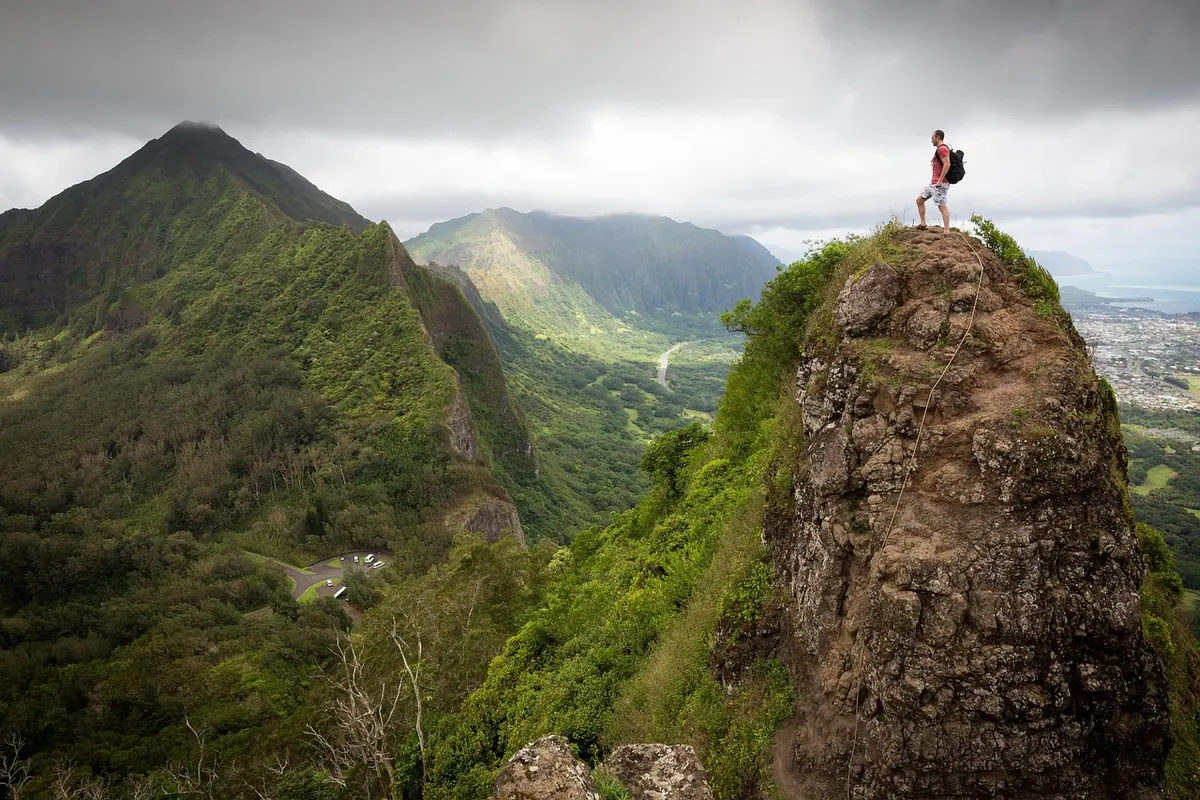
Fast travel gets a reputation it doesn't always deserve. If two weeks is all you have and the wild places you want to see sit eight hours apart, efficiency is a form of respect — for your time and your budget. A trip that moves every two or three days delivers real range: an alpine pass in the morning, a coastal estuary by evening, an entirely different set of birds at each stop.
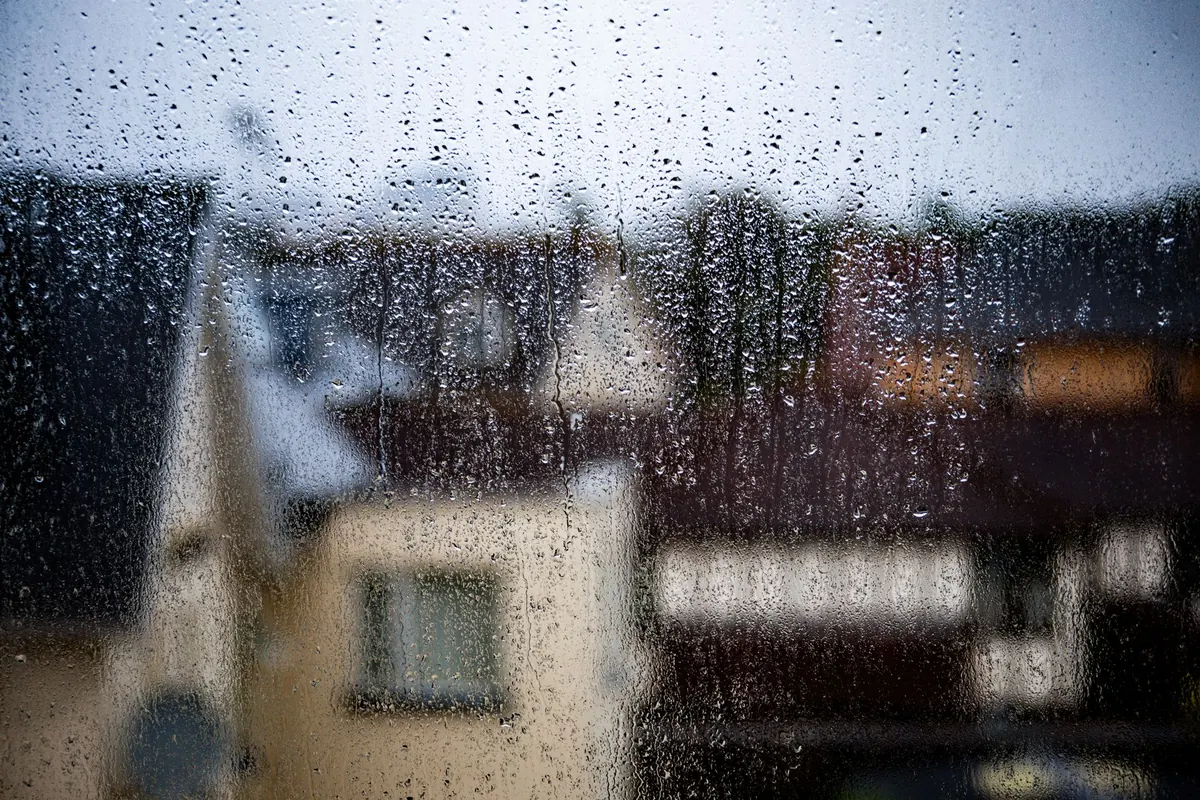
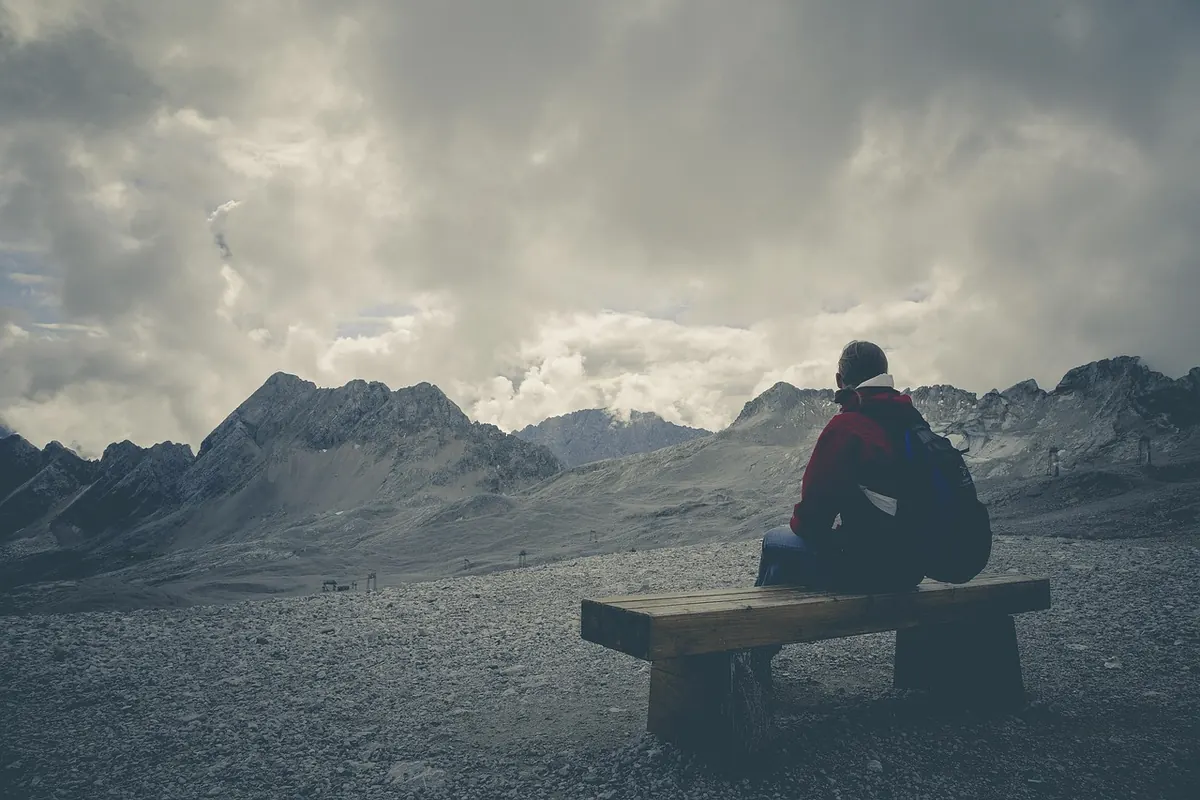
It also protects you from disappointment. Mountain weather turns. A rigid single-base stay can mean five grey days in the same cloud, while a moving itinerary lets you chase better conditions.
The costs appear quietly. Packing and unpacking eats half a day each time. The best light gets spent behind a windscreen. And you tend to meet a place at the moment it is least itself — arrival, mid-afternoon, everything bright and busy.
The Case for Staying Put
Slow travel trades coverage for acquaintance, and acquaintance is where the interesting part of nature happens. Something shifts around the fourth or fifth day in one place. You stop needing the map for the main trails. You begin noticing small things: which hedge the wrens use, where the morning mist collects, that the river runs clear two days after rain and brown for one. Animals stop being sightings and start being residents.
What a single base actually gives you
- Weather literacy — you learn how this particular valley behaves, not just what the forecast claims.
- Timing — you find the hour before the day-trippers arrive and the empty hour after they leave.
- Repetition — walking one path in three conditions teaches more than three new paths in one.
- Local economy — a week in one guesthouse or campsite supports people who live there through the winter.
Depth also changes what you remember. Nobody comes home talking about the seventh viewpoint. They come home talking about the deer that crossed the same meadow at dusk for six nights running.
The Money Question
The honest answer is that it depends on where you're going and how you move, and anyone quoting a rule is guessing. Some tendencies hold, though.
Slow travel usually wins on accommodation and food if you stay long enough to qualify for a weekly rate — many guesthouses, farm stays and campsites discount from the fifth or seventh night, and a kitchen saves more than any loyalty scheme. It loses when the destination is expensive and remote and you'd rather not pay for two weeks of it.
Fast travel can be cheaper than people expect when transport is cheap and shared. A rail pass, a regional bus network or fuel split four ways often costs less per day than a night's lodging. But short stays hide costs: more single-night bookings, more meals bought at whatever happens to be open, more entrance fees crammed into fewer days.
Before committing, do one rough sum for each version — total transport, total accommodation, a daily food estimate — and don't forget the dull line items like parking, laundry and transfers to and from the airport. If the trip sits inside a fixed budget you can't flex, it's worth going through the numbers with someone who knows your circumstances before you book anything non-refundable.
The Environmental Impact, Weighed Honestly
This is where the comparison gets uncomfortable, because the largest factor is usually how you reach the region, not how slowly you move once you're there. One long-haul flight can outweigh months of small local choices. Meanwhile, a string of short internal flights taken to "see more" is the worst of both worlds: high emissions and shallow experience. Trains and buses generally beat planes on comparable routes, though not universally and not everywhere.
On the ground, slow travel has a clear edge, mostly because it removes journeys rather than adding them:
- Stay longer in fewer places, so you drive or ride less overall.
- Use local buses to trailheads where they exist — they're often there and simply under-advertised.
- Pick one base with a good network of footpaths and use your legs.
- Travel outside peak season, when infrastructure carries less strain.
- Take the train for the long leg and hire a car only for the final stretch, if at all.
Fast travel can be made lighter: fewer and longer stops, no internal flights, a route that loops rather than zigzags. But the direction is clear. Every additional move carries a cost the landscape absorbs and the photographs don't show.
Matching the Style to the Trip
Lean slow when
- You have more than a week.
- The wildlife you care about rewards patience — estuaries, forests, moorland, migration season, wildflower meadows.
- You'd rather walk than drive.
- The place is somewhere you might return to, and you'd like to know one valley properly.
Lean fast when
- Your window is short and the distances are long.
- The region is vast and the highlights genuinely sit far apart.
- You're scouting — using a first trip to decide where to come back to.
- Weather risk is high and flexibility is your main defence.
Most good trips are hybrids: two or three moving days at each end, and a long still middle. You get the range and you get the acquaintance.
You probably don't need a longer holiday. You need fewer places in the one you have.
Before You Book: A Short Triage
Run these five questions and the answer usually picks itself.
- How many nights will you actually sleep in each place? Under three, you're fast travelling — plan for it and cut the number of stops.
- What's your longest single travel leg? Over four hours and you've written off a day; decide now whether that's acceptable.
- What do you want to be able to say you did? "Saw" and "learned" are different goals and they build different itineraries.
- How are you getting there, and can that change? The long journey usually decides your footprint.
- What's your tolerance for empty hours? Slow travel has them. That's the point, but it isn't right for every trip or every travelling companion.
Then write the itinerary so the quiet days are deliberate rather than leftovers. Build one plan-free day into every stay of four nights or more, and when the day arrives, resist the urge to fill it. That day is usually the one you end up describing to people afterwards.
Photo: Pexels / Pixabay