Thirty days of looking closely will change what you can see. Not because the woods change, but because you do: in week one you notice a bird; by week four you notice how it settles its weight before it flies.
This checklist is a month of small, specific tasks — ten to fifteen minutes outdoors, one task per day — built to grow that kind of attention. No identification skills required, no special equipment, no perfect weather. Print the list, put it by the door, and start on any date you like.
How the Checklist Works
The month alternates between three kinds of tasks, and the alternation is deliberate. Sensory tasks wake up your ears, hands and nose. Noticing tasks slow your eyes down. Recording tasks leave a trace you can read back later. You don't need all three on any single day; you need all three across the month.
Keep the rules small enough that you'll actually follow them:
- Ten to fifteen minutes, once a day, outdoors. A balcony, a park bench, a path behind the supermarket all count.
- Sit still for at least half the time. Walking is fine, but stillness is where the noticing happens.
- Write one line afterward. "Cold, nothing moved" is a valid entry and often a useful one.
- Use the two rest days. They're on the list for a reason — a habit you can't take a break from is a habit you'll abandon.
You'll need a pencil, a small notebook, and somewhere to sit. A phone works as a timer if you turn it face down afterward. Pick a "sit spot" you can reach in under five minutes from your door; the closer it is, the more likely you are to go on the days you don't feel like it. Before you print the checklist, draw a small square beside each line so you can tick it off by hand.
Week One: Waking Up Your Senses (Days 1–7)
This week is about volume, not accuracy. Don't worry about naming what you find — most beginners lose the habit by trying to identify everything and getting it wrong. Just collect raw material.
- Day 1 — Count sounds. Sit for ten minutes and tally every distinct sound. Don't label them yet.
- Day 2 — Three textures. Touch bark, the underside of a leaf, a stone. Note which feels warmest.
- Day 3 — Watch one patch of sky for five minutes. Record what moves and what holds still.
- Day 4 — Compare two airs. Smell the air close to a wall, then out in the open. Which carries more?
- Day 5 — The smallest living thing you can see without kneeling. Sketch its shape in three lines.
- Day 6 — Furthest and closest. Find the most distant sound you can identify, then the nearest one.
- Day 7 — Rest. Read your notes and circle the single entry you'd keep if you could only keep one.
Week Two: Slowing Down and Comparing (Days 8–14)
Comparison is the cheapest tool in nature observation. Two of anything, side by side, and your eyes start working harder than they did with one.
- Day 8 — Two of a kind. Find two trees of the same species and list three differences between them.
- Day 9 — Follow one bird for as long as you can keep it in sight. Write where it went and what it did there.
- Day 10 — Movement without animals. Find something in motion that isn't alive: water, grass, a loose branch.
- Day 11 — Change the hour. Visit your sit spot at a different time of day than usual. Note the first difference.
- Day 12 — Count and count again. Count the plants you can name, then the ones you can't. Both numbers tell you something.
- Day 13 — Find three edges. Gravel meeting soil, shade meeting sun, path meeting hedge. Edges are where things happen.
- Day 14 — Left behind. Look for three signs that something was here and moved on: a chewed leaf, a feather, a flattened patch of grass.
Week Three: Follow One Thread (Days 15–21)
By now you have enough of a record to notice a theme. Pick one species — a common tree, a pigeon, the moss on a wall — and return to it all week.
- Day 15 — Choose your thread. Pick something you can find in under two minutes. Write down why you chose it.
- Day 16 — Find three absences. Look for places where your chosen species is not. Notice what those places have in common.
- Day 17 — Two heights. Study your subject at ground level, then above your head.
- Day 18 — Weather watch. Spend five minutes tracking one thing: cloud shape, wind in leaves, the drop in temperature as the sun goes.
- Day 19 — Draw from memory. Sketch your sit spot before you arrive, then check it against the real thing. Write down what you forgot.
- Day 20 — Follow a scent for ten steps. Describe where it leads and where it fades.
- Day 21 — Sit for fifteen minutes with no notes. Write only what you still remember an hour later. That's what mattered.
Week Four: Sit Still and Record (Days 22–30)
The last stretch is about turning observation into something you can compare across seasons. Slower tasks, more writing.
- Day 22 — Map it. Draw your sit spot with one object at each of the four compass sides.
- Day 23 — The month test. Name three things you saw today that you would have walked past on day one.
- Day 24 — Time the sounds. Pick three sounds and work out roughly which arrives first and which lasts longest.
- Day 25 — Go out in bad weather, if it's safe and you're dressed for it. Note what changes when the wind picks up.
- Day 26 — Borrow someone's eyes. Take a friend or a child along and let them point. Write down two things they found that you missed.
- Day 27 — Mark something that will change. A bud, a puddle, a patch of bare soil. Note the date and come back in a week.
- Day 28 — Do nothing for ten minutes, then note the first thing your eye goes to. That's your instinct talking.
- Day 29 — Correct yourself. Read your week-one notes and fix one guess you now know was wrong.
- Day 30 — Count sounds again. Repeat day one exactly and compare the two tallies.
Ten minutes of attention beats an hour of walking, most days.
What to Do When You Miss a Day
You will miss a day. Possibly three. The habit breaks far more often from an all-or-nothing rule than from laziness, so decide now how you'll handle a gap. Don't double up to catch the lost tasks — that turns a pleasure into homework. Skip forward to today's date and keep going. A month with twenty-six entries still gives you a month of noticing.
If the weather is genuinely hostile, move the task indoors to a window and shorten it to five minutes. Watch a single tree through glass for a week and you'll learn more than you expect. And if you find a task tedious — some people hate drawing, others hate counting — swap it for a repeat of one you liked. The checklist is a scaffold, not a contract.
Carrying It Past Day 30
Keep the notebook and keep the sit spot. Once a week is enough to hold the thread: same place, same ten minutes, one line written down. The real payoff arrives when you start noticing change — the first leaf that turns, the week the birds go quiet, the morning the air smells of wet soil. That's when a month of small tasks stops being an exercise and becomes the way you read a place. Print a fresh checklist when the season turns, and compare it with the first one.
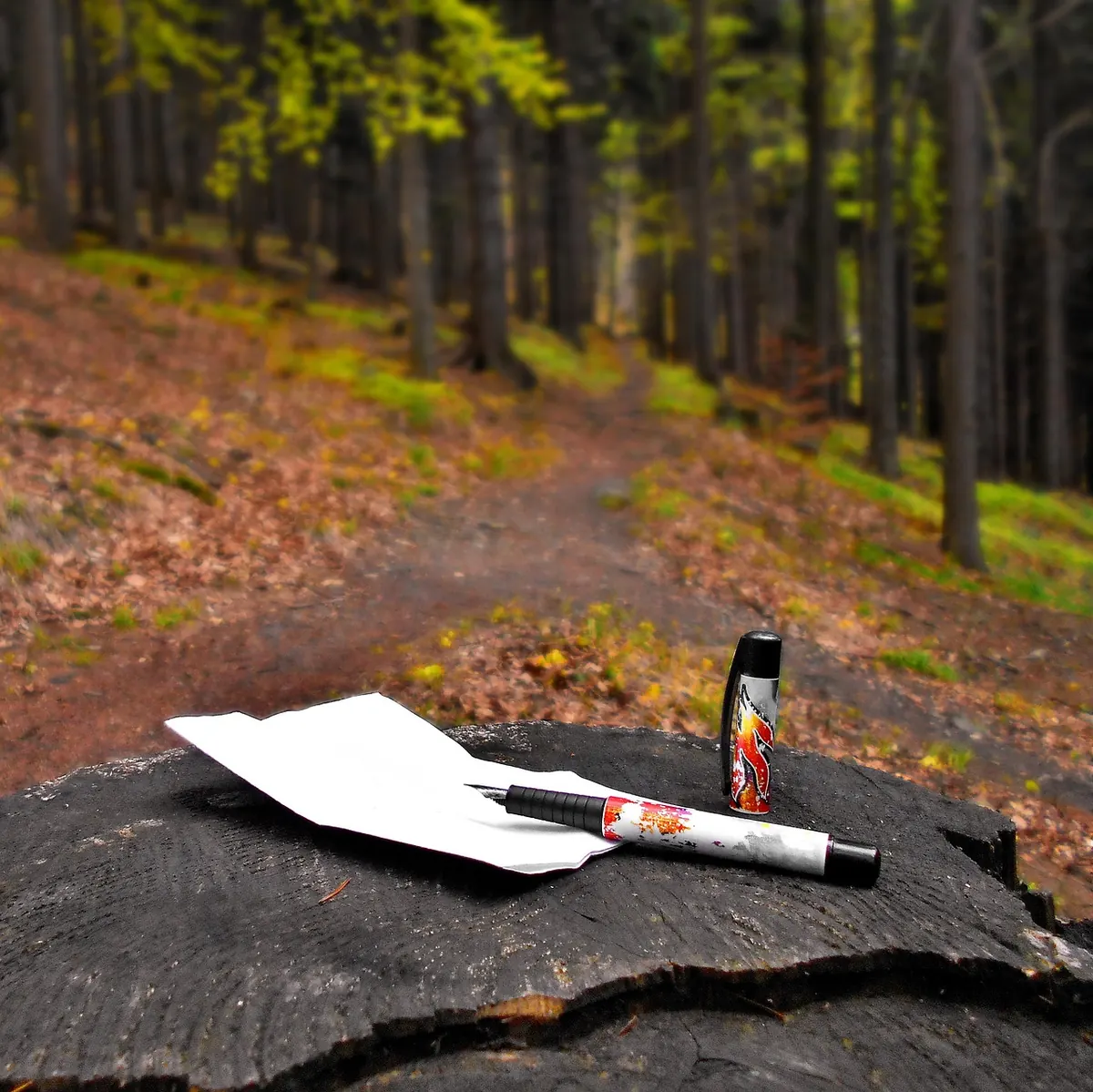
Photo: JerzyGórecki / Pixabay